What an Online Casino Reload Bonus Looks Like in the UK in 2026
A reload bonus is the offer a UK-licensed casino makes to a customer who has already used the welcome package and deposited again. The mechanics look like a smaller echo of the first deposit match — a percentage added to a new deposit, sometimes with free spins bolted on — but the rules sitting on top of it have changed, and the change matters more than the headline percentage. Since 19 December 2025, wagering requirements on every UK-licensed casino bonus, reload included, have been capped at 10x. Before that date, the same offer could carry a 30x or 40x turnover condition, and the difference between those two regimes is the difference between an offer a player can clear and one that grinds the bankroll down before it ever releases.
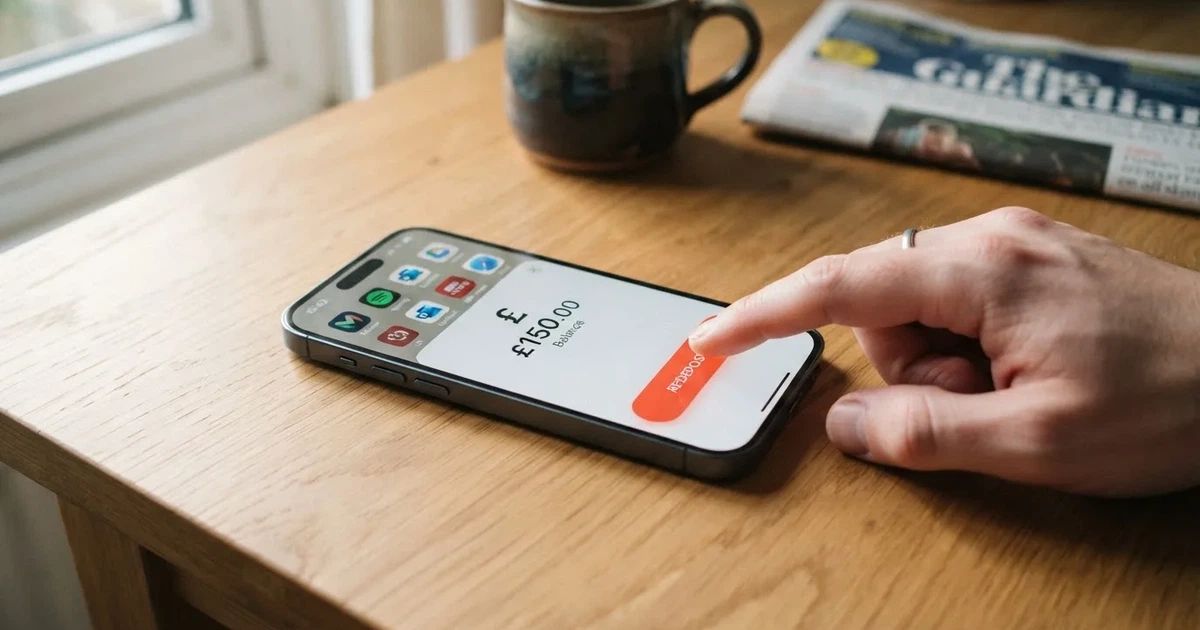
This page is built around what follows from that cap, what it costs a returning depositor to actually clear a reload, and which UK-licensed brands the Gambling Commission’s public register currently lists as running remote casino products. The angle is consequence: not what a reload bonus is in the abstract, but what it turns into once the £5 stake limit, the 10x turnover ceiling and the GAMSTOP precondition sit beside it.
Current as of 7 November 2026, checked against the Gambling Commission’s public register of gambling businesses.
- Payments, Deposits and the Timing of a Reload Trigger
- What a Reload Bonus Actually Pays Out
- How Ten UK-Licensed Brands Compare on the Reload Landscape
- The Overview: What a Reload Bonus Is and Why It Exists
- Legality and Regulation: Where the 10x Cap Sits
- Responsible Gaming: What Reload Promotions Do to a Budget
- Paddy Power: A Long-Established Brand With a Single Licence
- Ladbrokes: One of Three LC International Brands on This List
- MrQ: A Smaller Operator With a Single-Product Focus
- Coral: The Second LC International Brand on This List
- bet365: The Largest Brand by UK-licensed Customer Base
- Betfred: A UK High-Street Heritage Translated Online
- Casumo: A Casino-First Brand With a Smaller Licence Holder
- 888casino: A Long-Established Casino Brand With a Sportsbook Sister
- Jackpotjoy: A Bingo-Hybrid Brand With a Casino Shelf
- Gala Bingo: The Third LC International Brand on This List
- What the Audit Cannot Tell a Reader
- Frequently Asked Questions
Payments, Deposits and the Timing of a Reload Trigger
A reload offer is only ever as good as the deposit that triggers it, and the deposit itself sits inside a small thicket of UK-specific rules. Three of them matter before any percentage match is calculated.

Why the deposit method shapes what a reload is worth
The Gambling Commission banned credit cards for gambling across all online and offline products in Great Britain from 14 April 2020. The ban applies to credit cards routed through e-wallets as well as direct card payments, so a Visa or Mastercard deposit only funds gambling if it is a debit card. Bank transfers and Faster Payments debits from a current account are unaffected. The Commission estimated that around 800,000 UK consumers used credit cards to gamble in 2018, and found that 22% of online gamblers who funded play with credit cards were classed as problem gamblers — a figure that explains the policy, even if the rule itself is the practical constraint.
The Faster Payments Service, run by the operator of the UK banking infrastructure since 2008, processes most UK bank transfers and operates around the clock. The scheme carries a £1,000,000 per-transaction limit, though individual banks can and do set lower caps on customer payments.

Apple Pay sits inside this picture as a front-end interface for the underlying card. Apple launched Apple Pay on 20 October 2014 in the United States and added support for UK-issued payment cards from 14 July 2015. The service tokenises the actual card number into a device-specific Device Primary Account Number and generates a dynamic security code for each transaction, so the merchant never sees the underlying PAN; in-store payments use near-field communication to talk to contactless terminals, while in-app and web payments ride the same tokenisation layer. From a reload-offer perspective, what matters is that the funding source behind Apple Pay is still a debit card or a bank account — a credit card behind Apple Pay is still a banned source, and Apple Pay is not a separate payment route for the purposes of the 14 April 2020 prohibition.
AstroPay, by contrast, is a separate digital-wallet rail. Founded in 2009 and headquartered in Uruguay, AstroPay operates a global digital wallet offering online payments, virtual and physical debit cards, and peer-to-peer transfers; it spun off its payment-processing business dLocal as a separate company in 2016. AstroPay’s UK entity, Larstal Limited, holds electronic-money-institution authorisation from the Financial Conduct Authority under the Electronic Money Regulations 2011, and its Isle of Man entity is licensed by the Isle of Man Financial Services Authority for money transmission. The Brazilian and Danish entities are separately authorised by the Brazilian Central Bank and the Danish Financial Supervisory Authority respectively. AstroPay serves users across Argentina, Australia, Brazil, Canada, Colombia, Denmark, Spain, the UK, the US and Uruguay. For UK players, the practical question is whether a UK-licensed casino treats an AstroPay-funded deposit as eligible for a reload offer — a property set by the casino’s own terms rather than by the wallet itself, and one that varies from brand to brand.
The minimum deposit and the timing window
Most reload offers carry a minimum deposit, typically £10 or £20. The deposit has to land in the player’s account during the offer window, which is usually a 24-hour or weekend window centred on a promotional email or in-app notification. A deposit outside that window is just a deposit — it doesn’t trigger the percentage match. Where the offer is opt-in, the player also has to tick a box in the cashier before the deposit is made; depositing first and then opting in is the single commonest reason a reload is missed.
The cleaner UK-licensed brands publish both the window and the qualifying deposit amount on the offer page before the player commits. The less clean ones bury the opt-in inside a terms link that opens in a new tab, and a player who reads only the front page will not necessarily know which box to tick. This is worth knowing now, because the 10x cap has shifted the leverage from the wagering side back onto the qualifying side: with turnover requirements no longer able to do the heavy lifting of converting a generous headline into a tight offer, minimum deposits and excluded payment methods do.
Faster Payments and the practical shape of “instant”
Most reload-triggering deposits at UK-licensed casinos move through Faster Payments, which means the player’s balance usually updates within seconds of the bank authorising the transfer. That speed is the point — a reload offer tied to a specific match kick-off or a weekend slot promotion is unusable if the deposit takes hours to clear. Two failure modes are worth flagging. First, individual banks set their own transaction limits, and a player whose daily Faster Payments limit is below the qualifying deposit will see the deposit rejected at the bank end, not the casino end, which can read as a casino-side refusal when it is in fact a bank-side one. Second, deposits made just before the bank’s own cut-off for the day can occasionally queue and arrive after the offer window has closed. Neither of these is a casino’s fault, and the recovery in each case is with the bank, not with the cashier.
What a Reload Bonus Actually Pays Out
The shelf on bonuses and free spins is the one the page is named for, and it is where the 10x cap changes the economics most. Three mechanisms sit on top of any percentage match, and each one costs the player something the headline number does not show.
Reload Bonus Terms
| Term | Detail |
|---|---|
| Wagering Requirement | 10x cap (since 19 Dec 2025) |
| Min Stake Limit | £5 (25+), £2 (18-24) |
| Min Deposit | Typically £10 – £20 |
| Auto-play | Banned |
The percentage match, and why a small one can still be worth taking
A typical UK reload offer is a 25% to 100% match on a deposit, capped at a maximum bonus amount — for example, “50% up to £100” means a deposit of £200 would qualify for the full £100 bonus, a deposit of £100 would qualify for £50, and anything above £200 leaves the bonus capped at £100. Smaller percentage matches with a higher cap are common in the reload space because returning players tend to deposit in larger, less frequent lumps than welcome-offer customers, and a 25% match up to £500 is a more useful shape for that pattern than a 100% match up to £50.
The wagering multiplier sits on top of the bonus. Under the 10x cap in force since 19 December 2025, a £100 bonus carries up to £1,000 of qualifying turnover before any winnings can be withdrawn. That ceiling is the single most important number on the offer, and it is the one the headline percentage deliberately does not show.
Wagering, and the turnover band that follows from the 10x cap
The prescribed calculation for this page is the turnover band a £50 bonus and a £200 bonus sit inside once the 10x ceiling is applied. With wagering fixed at 10x, the required turnover for a £50 bonus is £500 and the required turnover for a £200 bonus is £2,000. Each is a band defined by the bonus size at one end and the wagering multiple at the other, not a single figure, and the practical question is what the player is asked to put through the games to release it.
At a £1 stake per spin, a £500 turnover is 500 spins and a £2,000 turnover is 2,000 spins. At a £0.10 stake per spin, the same turnover numbers become 5,000 and 20,000 spins respectively. The £5 maximum stake per game cycle for players aged 25 and over, in force since 9 April 2025, sets the upper bound on how much of the turnover a player can put through per spin; the £2 maximum for 18-24 players, in force since 21 May 2025, sets the same bound lower for younger accounts. Neither stake ceiling has any effect on the wagering requirement itself — what it changes is the minimum number of spins it takes to clear the turnover, because each spin can carry at most £5 of stake.
This is the band the cap produces: the bonus size on one axis, the spin count and time cost on the other. A £50 bonus at 10x takes roughly 100 spins at the £5 cap, or 5,000 spins at £0.10. A £200 bonus at 10x takes 400 spins at the cap, or 20,000 at the lower stake. The time cost depends on the speed at which the player can place spins, and the game itself — a slot spin may not be faster than 2.5 seconds, in force since 31 October 2021, so even the fastest legitimate play puts a floor under the time required. A £200 bonus cleared at £5 per spin at the 2.5-second minimum interval takes roughly 17 minutes of spin time; the same bonus cleared at £0.10 per spin takes roughly 14 hours at the same interval.
The useful comparison is not between the two bonus sizes — both sit inside the same rule — but between a reload offer and what the same percentage match looked like before 19 December 2025. A £200 bonus at 35x carried £7,000 of required turnover and 1,400 spins at the £5 cap; at 10x, the same bonus carries £2,000 and 400 spins. The percentage match on the offer page may not have changed; what changed is what the player has to do to convert it into withdrawable cash.
Free spins bolted onto the reload, and what they actually contribute
Reload offers frequently come with a free-spins package as well as the percentage match — typically a fixed number of spins on a named slot, with the spin value fixed by the casino rather than the player’s stake. Winnings from those spins are treated as bonus funds and carry the same 10x wagering as the matched cash, unless the offer explicitly states otherwise. The spins are usually time-limited to 24 or 72 hours after issue, and unplayed spins expire at the end of that window.
A practical point: the spin value on a reload free-spins package is typically £0.10 per spin regardless of the slot’s actual minimum stake, which means a 100-spin package is worth £10 in nominal spin value before any multiplier or feature hits. That £10 sits inside the bonus calculation as additional bonus funds, and is wagered at the same 10x as the matched cash — so a £100 matched reload with 100 free spins at £0.10 is effectively a £110 bonus at 10x, with £1,100 of qualifying turnover to clear, not a £100 bonus.
Mixed-product offers, and the rule that ended them
Before 19 December 2025 it was common for a UK-licensed casino to bundle sports free bets with casino free spins in a single promotion, with the wagering requirement sitting on the combined bonus. The 19 December 2025 reforms banned mixed-product bonuses outright, so a player at a UK-licensed casino in 2026 should not be asked to clear sports-bet wagering through casino spin turnover or vice versa. This is a cleaner regime than the one it replaced, and the audit on it is straightforward — if a reload offer carries a mixed-product condition, it is either running under an offshore licence outside the Commission’s reach or the operator is not enforcing its own terms.
How Ten UK-Licensed Brands Compare on the Reload Landscape
The Gambling Commission’s public register listed 139 businesses holding an active remote casino operating licence on 18 September 2026. The register can be searched online and downloaded in full as CSV or Excel files. Each business holds a licence of the form account-R-number-suffix, where the leading six digits repeat the licence holder’s account number and the “R” marks a remote, online licence. The register’s domain list records each website against the licence account that runs it, with a status of Active, Inactive or White Label; on 18 September 2026 the register held 1,065 active and 361 white-label domain entries — a white-label site trades under another company’s licence, which means the operator a player is depositing with may not be the licence holder named on the offer page.
The table below draws the ten brands from that register, in the order set out by the research, and shows the licence holder, the GB remote casino licence number, and the domain status as the register recorded it on 18 September 2026. None of the figures in this section is a bonus term; the register does not carry bonus terms, and what the brands actually offer is set out elsewhere on the operator’s own page.
| Brand | Licence holder and GB remote casino licence | Domain status |
|---|---|---|
| Paddy Power | PPB Games Limited · 039411-R-319335-010 | Active |
| Ladbrokes | LC International Limited · 054743-R-330863-014 | Active |
| MrQ | Tek Fox Ltd · 060629-R-337532-004 | Active |
| Coral | LC International Limited · 054743-R-330863-014 | Active |
| bet365 | Hillside (UK Gaming) ENC · 055149-R-331499-004 | Active |
| Betfred | Petfre (Gibraltar) Limited · 039544-R-319290-010 | Active |
| Casumo | Recro Limited · 061549-R-336718-002 | Active |
| 888casino | 888 UK Limited · 039028-R-319297-014 | Active |
| Jackpotjoy | Gamesys Operations Limited · 038905-R-319430-022 | Active |
| Gala Bingo | LC International Limited · 054743-R-330863-014 | Active |
Three of these brands — Ladbrokes, Coral and Gala Bingo — share a single licence holder, LC International Limited, under the same remote casino operating licence number. They are not independent operators for the purposes of any reload comparison: the same compliance regime, the same AML controls and the same GAMSTOP integration apply to all three, because the licence sits at the company level rather than the brand level. A player holding an account with one of them is, in regulatory terms, holding an account with the same legal entity as a player at the other two.
What the table cannot show
The register is a list of who holds a licence to take UK customers, not a list of what each licence holder offers. Reload bonus terms, free-spin packages, qualifying-deposit thresholds and wagering windows are operator-set and change frequently — frequently enough that any specific offer mentioned on a comparison page is likely to be different by the time a reader visits the cashier. The honest position is that the register confirms each of these brands is currently permitted to offer a reload bonus to a UK player under the 19 December 2025 rules, and that is all it confirms. The size of the offer, the percentage match, the maximum bonus amount, the qualifying deposit and the free-spin package are not on the register, and the brands do not publish them in a consistent format that would survive a comparison.
What the licence status does tell a reader
Three practical signals fall out of the register reading. First, every brand listed is required to integrate GAMSTOP, the national online self-exclusion scheme, as a condition of its licence — periods of six months, one year or five years, and the period cannot be cancelled early. Second, every brand is required to run financial vulnerability checks at £150 net deposits in a rolling 30-day window, using public data only, from 28 February 2025. Third, every brand is bound by the maximum stake ceilings on online slots — £5 per game cycle for players aged 25 and over, £2 for 18-24 — and by the 2.5-second minimum spin interval that took effect on 31 October 2021. None of these are points on which the ten brands differ; they are points on which the Commission imposes a uniform floor.
The Overview: What a Reload Bonus Is and Why It Exists
The simplest definition is also the most useful. A reload bonus is a percentage match on a deposit made by a player who has already used the welcome package at that brand. The welcome offer exists to acquire the customer; the reload offer exists to keep them depositing. From the operator’s side, a reload bonus is a retention cost priced into the marketing budget; from the player’s side, it is a small subsidy on a deposit the player was probably going to make anyway.
This is the framing that matters when reading the headline number. A 50% reload up to £100 is not “free money” in the sense that it can be withdrawn on demand — it is a bonus with a 10x wagering requirement, and the player’s job is to decide whether the bonus size, the qualifying deposit and the time cost of the turnover produce a net gain over the deposit that triggered them. The honest comparison is between (a) the deposit plus the bonus minus the expected loss over the wagering turnover, and (b) the deposit alone with no bonus at all. Whether the first number is larger than the second depends on the slot’s return-to-player and the size of the bonus relative to the deposit, and the math is rarely generous.
How a reload differs from a welcome offer
Three structural differences separate the two. A welcome offer is usually a 100% match on the first deposit, capped at a higher absolute number; a reload offer is usually a smaller percentage, sometimes a higher cap, and sometimes paired with free spins rather than cash. A welcome offer is usually a single event — claim once, on the first qualifying deposit, and it does not return; a reload offer is repeating, often weekly or tied to specific promotional windows. A welcome offer is sometimes more generous in its headline than a reload, because the operator is paying to acquire the customer, while a reload is paying to keep one.
A second, less visible difference: reload bonuses are the offers on which the 19 December 2025 reforms bite hardest in absolute terms. A 35x welcome bonus on a £100 first deposit was always going to be cleared by a player who planned to play through their first deposit anyway; a 35x reload on a £50 weekly top-up was often too tight to clear, and players abandoned it. At 10x, both kinds of offer are now reachable, and the reload shelf is the more useful of the two for a player who deposits in modest amounts on a regular basis.
Crypto-funded reloads, and what changes when the deposit is a coin
A crypto-funded reload bonus is, in mechanism, the same as a card-funded one: a percentage match on a deposit, with the same 10x cap on wagering and the same time-limited free-spin bundles where applicable. What changes is the funding rail. Bitcoin and other cryptocurrencies are not regulated payment methods under the Financial Conduct Authority, and the UK-licensed casino that accepts them treats the on-chain deposit as it would any other — the bonus is calculated on the GBP equivalent at the time the deposit confirms, the wagering requirement is the same 10x, and the winnings are paid out in the same currency the player chose at the cashier.
The point that catches players out is the exchange-rate moment. A crypto deposit that lands when the BTC/GBP rate is favourable produces a larger bonus than the same nominal coin deposit on a day when the rate has moved against the player. The bonus is calculated at the casino’s quoted rate at confirmation, and that rate is not necessarily the rate the player saw when they initiated the transfer from their wallet. Players who treat crypto reloads as a way to “double-dip” on a falling coin find the arithmetic less generous than they expected once the GBP conversion is applied.
A second, regulatory point. Not every UK-licensed brand accepts crypto deposits at all, and the brands that do sit on a smaller subset of the 139 active licences. The register does not record payment methods, so the register reading cannot itself tell a player which brands run a crypto cashier. What the register does tell a player is which brands hold the licence to take UK customers — and that, by itself, is the answer to whether the reload bonus they are being offered is subject to the 10x cap, the GAMSTOP precondition and the financial vulnerability checks. Offshore brands, which sit outside the Commission’s reach, run on their own house rules, and a player who accepts a reload offer from an unlicensed site has no Commission complaints route, no approved ADR, and no GAMSTOP integration to fall back on.
Legality and Regulation: Where the 10x Cap Sits
The Gambling Commission regulates commercial gambling in Great Britain under the Gambling Act 2005, sponsored by the Department for Culture, Media and Sport. The Act covers England, Scotland and Wales; Northern Ireland runs its own regime. Since the Gambling (Licensing and Advertising) Act 2014, any operator taking customers in Great Britain needs a Commission licence wherever it is based — a Curaçao, Maltese or Gibraltar operating licence is not a substitute for the GB one.
The framework that bears on a reload offer
Four rules in the current LCCP and Social Responsibility code apply directly to a reload promotion, on top of the licensing requirement itself.
Wagering cap. From 19 December 2025, the wagering requirement on any casino bonus is capped at 10x. This applies to free-spin winnings as well as to matched cash, and applies to reload offers as much as to welcome packages. The cap is a per-bonus cap, so a £50 bonus carries up to £500 of qualifying turnover and a £200 bonus carries up to £2,000 — the number scales with the bonus size, but the multiplier does not.
Mixed-product ban. The 19 December 2025 reforms also banned mixed-product bonuses — promotions that require a player to clear sports-bet wagering through casino spin turnover or vice versa. A reload offer in 2026 should not bundle a casino match with a sports free bet under a single turnover condition, and the cleaner UK-licensed brands do not.
Credit card prohibition. From 14 April 2020, credit cards are banned for gambling across all online and offline products in Great Britain, including credit cards routed through e-wallets. Debit cards and bank transfers are unaffected. Apple Pay funded by a credit card is still a credit card deposit for these purposes; Apple Pay funded by a debit card is not.
Stake ceilings on online slots. From 9 April 2025, the maximum stake per game cycle on an online slot is £5 for players aged 25 and over; from 21 May 2025, the same ceiling is £2 for players aged 18 to 24. The ceiling applies per spin, not per session, and a single spin above the ceiling is a breach of the operator’s licence condition rather than a player-side offence. Auto-play is banned, a single spin may not resolve in faster than 2.5 seconds, and “losses disguised as wins” — slot celebrations on net-negative outcomes — are prohibited.
What sits outside the Commission’s reach
The Commission has no ISP-blocking power. It can issue cease-and-desist notices, refer sites for search-engine delisting, and pass payment and hosting referrals to other agencies, but it cannot order UK ISPs to prevent access. No penalty is aimed at the player who uses an unlicensed site; what the player loses is the protection — no GAMSTOP, no approved alternative dispute resolution, no Commission complaints route if the operator withholds funds. A reload offer from an offshore brand is not subject to the 10x cap, the credit-card ban or the financial vulnerability check, and the player’s recourse if the offer is misdescribed is sharply narrower than at a UK-licensed site.
Responsible Gaming: What Reload Promotions Do to a Budget
The shelf on player protection is the one the headline number never advertises, and it is the one the 19 December 2025 reforms were designed to soften without removing. Three preconditions sit on every reload offer at a UK-licensed brand, and each one is there because reloads, by their nature, invite repeat play.
GAMSTOP and the self-exclusion gate
GAMSTOP is a mandatory condition of every online operating licence since 31 March 2020. The scheme lets a player exclude themselves from all UK-licensed online gambling operators for a period of six months, one year or five years, and the period cannot be cancelled early. A player who is currently on the GAMSTOP register cannot open a new account, cannot deposit into an existing account, and cannot claim a reload bonus — the operator is required to check, and the check is integrated into the deposit flow rather than the registration flow. The reload shelf at a UK-licensed casino is, by definition, a shelf only existing customers who are not on GAMSTOP can reach.
Age verification and the identity check
UK-licensed casinos verify name, address and date of birth before the first deposit or any play, and have done since 7 May 2019. The check is against public data sources and against credit-reference agency files, and a player whose details do not match is asked for documentary evidence. Anonymous play is not possible at a licensed site, and a reload bonus cannot be claimed from an account that has not completed the age and identity verification — the cashier route is closed until the check clears. The Commission has been clear that this is the floor, not the ceiling, and operators are expected to run additional affordability or vulnerability checks on top of the basic verification.
Financial vulnerability checks and the deposit prompt
Two newer rules bear directly on the cost of chasing reloads. First, financial vulnerability checks run at £150 net deposits in a rolling 30-day window from 28 February 2025, using public data only. The check is automated, light-touch, and looks at indicators such as county-court judgments or insolvencies on the public record — it is not a credit check. Second, operators must prompt a customer to set a financial limit before the first deposit from 31 October 2025. The prompt is a default — a player can dismiss it and continue — but the operator is required to ask, and the absence of a player-set limit at a high-depositing account is a compliance flag in its own right.
The wider frame
The National Gambling Helpline, run by GamCare, and GambleAware, which funds treatment and research, sit behind the operator-side protections. Players who find the GAMSTOP exclusion insufficient — because the period is too short, or because the trigger they want to manage is a single operator’s products rather than the whole market — can also ask a UK-licensed operator for a product-specific time-out or self-exclusion, which sits on top of the GAMSTOP record rather than replacing it. Reality-check pop-ups during play, time-out periods, and the deposit-limit prompt are all operator-side tools; the Commission’s role is to require that the tools exist and that the operator offers them, not to operate them on the player’s behalf.
The page returns to the operator write-ups below.
Paddy Power: A Long-Established Brand With a Single Licence
Paddy Power’s domain, Paddy Power, is listed on the Gambling Commission’s public register as an active domain of account 39411, PPB Games Limited, which holds the active remote casino operating licence 039411-R-319335-010. The licence is held by PPB Games Limited, the same entity that runs the Paddy Power sportsbook, and the casino product is integrated into the same account as the betting product rather than run as a separate skin.
PPB Games Limited is a long-established UK-licensed operator with a deep promotional cadence on the sports side and a casino product that has historically leaned on the sportsbook’s customer base. A reload offer at Paddy Power is typically opt-in, tied to a specific window — a weekend sports schedule or a named slots tournament — and carries a free-spin component alongside the matched cash. The 10x cap applies, and the bonus size is the variable; the structure is the same as at the other brands on this list.
For a returning player who already holds a Paddy Power account and uses it for both sports and casino, the reload shelf is the natural continuation of the welcome product. For a player whose primary interest is casino and who is choosing a brand on casino terms alone, the integrated sportsbook adds little value, and the same 10x reload is available at brands where casino is the front-of-house product.
Ladbrokes: One of Three LC International Brands on This List
Licence Holders and Compliance
All brands listed hold active remote casino operating licences. Several brands share a licence holder:
- Ladbrokes, Coral, and Gala Bingo are all licensed to LC International Limited (054743-R-330863-014).
- bet365 is licensed to Hillside (UK Gaming) ENC (055149-R-331499-004).
- Betfred is licensed to Petfre (Gibraltar) Limited (039544-R-319290-010).
- Casumo is licensed to Recro Limited (061549-R-336718-002).
- 888casino is licensed to 888 UK Limited (039028-R-319297-014).
- Jackpotjoy is licensed to Gamesys Operations Limited (038905-R-319430-022).
- Paddy Power is licensed to PPB Games Limited (039411-R-319335-010).
- MrQ is licensed to Tek Fox Ltd (060629-R-337532-004).
LC International is part of the Entain group, one of the largest gambling groups in Great Britain by GVA. The reload shelf at Ladbrokes is positioned alongside a sportsbook that has been running in various forms since the nineteenth century, and the casino product carries the same heritage branding. Reload offers at Ladbrokes tend to follow the same weekly cycle as at the other LC International brands, and a player with an account at one of the three is sometimes offered the same bonus under a different brand name — a reflection of the shared licence rather than of two distinct marketing decisions.
The practical question for a returning player is whether the Ladbrokes casino product holds anything Coral or Gala Bingo does not, given that the licence is shared. The answer for most players is no, and the choice between the three is a question of interface, game selection and the operator’s specific terms — not of which one is licensed.
MrQ: A Smaller Operator With a Single-Product Focus
MrQ is operated by Tek Fox Ltd.
The reload shelf at MrQ has historically been simpler than at the multi-product brands — fewer bundled sportsbook free bets, a higher proportion of pure casino matches and free spins, and a bonus terms page that reads in a single screen rather than across several tabs. That simplicity is part of the brand’s pitch: a player who wants the reload offer without a sportsbook attached can find it here, and the absence of mixed-product bundling means there is no sports wagering to clear alongside the casino turnover.
The smaller-operator position cuts both ways. On the favourable side, the terms page is shorter and the qualification rules are easier to read in full. On the less favourable side, MrQ’s game library is narrower than the LC International or bet365 libraries, and the choice of slots on which the reload free spins can be used is correspondingly smaller. A returning player who values a wide slot catalogue over a short terms page will find the offer thinner here than at the bigger brands; a player who values clarity over breadth will find it cleaner.
Coral: The Second LC International Brand on This List
Coral (coral.co.uk) is listed on the Gambling Commission register as an active domain of account 54743, LC International Limited, which holds the active remote casino operating licence 054743-R-330863-014.
Coral’s reload shelf is, in substance, the same as Ladbrokes’ shelf — the same 10x cap, the same weekly cadence, the same bundled free-spin component. The branding and the game selection on the casino side differ enough that a returning player with a Coral account will not feel they are playing at Ladbrokes in a different wrapper, but the underlying offer mechanics are shared, and a player comparing the two brands on the reload offer alone will not find a meaningful distinction.
The choice between Coral and Ladbrokes is therefore a question of preference rather than of substance — the bonus size, the qualifying deposit and the wagering window are likely to be similar because the licence holder is the same, and the loyalty programme, the in-app experience and the slot catalogue are the points on which they actually differ.
bet365: The Largest Brand by UK-licensed Customer Base
bet365 is operated by Hillside (UK Gaming) ENC.
The reload shelf at bet365 is positioned alongside the sportsbook rather than in front of it, and the casino product is accessed through a tab or a separate lobby from the betting product. The reload offer tends to be a smaller percentage match with a higher cap than at the casino-first brands — a 25% up to £250 shape is a typical reload at bet365, reflecting the larger deposits that the customer base tends to make. The 10x cap applies in the same way as at every other UK-licensed brand, and the free-spin component, where offered, is on bet365’s own proprietary slot catalogue rather than on third-party games.
For a returning player who already has a bet365 sportsbook account, the reload shelf is reachable through the same login and the same cashier. For a player whose primary interest is the reload offer and who has no existing sportsbook relationship, the larger qualifying deposit that the typical bet365 reload assumes may put the offer out of reach. The bonus is the same in shape as at the other brands on this list; the deposit required to reach the maximum bonus is larger.
Betfred: A UK High-Street Heritage Translated Online
Betfred is operated by Petfre (Gibraltar) Limited.
The reload shelf at Betfred carries the same high-street heritage as the brand itself — the casino product is integrated into a sportsbook that has a strong UK football and horse-racing customer base. Reload offers at Betfred tend to be weekly, with a percentage match and a free-spin bundle, and the terms page is written in plainer language than at some of the international-facing brands. The 10x cap applies, and the qualifying-deposit threshold is typically £10 or £20, in line with the rest of the UK-licensed market.
A returning player who values the high-street heritage and the UK-focused customer base will find the Betfred reload shelf a familiar shape. A player who has no prior relationship with the brand and is choosing on the reload offer alone will find the terms broadly comparable to the other brands on this list, and the choice will turn on the specific bonus size at the moment of claiming — which is not a comparison the register can support.
Casumo: A Casino-First Brand With a Smaller Licence Holder
Casumo is operated by Recro Limited.
The reload shelf at Casumo is built around casino products rather than sportsbook bundles — the welcome offer and the ongoing promotions are all casino-side, with no sportsbook free bets to clear alongside. The 10x cap applies in the standard way, and the reload offer at Casumo tends to be a higher percentage match with a smaller cap than at the larger brands, reflecting the smaller average deposit size of the customer base. The free-spin component, where offered, is on the Casumo-branded slots catalogue rather than on third-party games.
For a returning player who wants a casino-only reload shelf without a sportsbook attached, Casumo is one of the cleaner offerings on the UK-licensed market. The smaller licence-holder position means the operator is less diversified than the LC International or Hillside brands, and the game library is correspondingly narrower; the reload offer is the same in shape, and the experience around it is more focused.
888casino: A Long-Established Casino Brand With a Sportsbook Sister
888casino is operated by 888 UK Limited.
The reload shelf at 888casino is casino-only, with no sportsbook free bets bundled into the matched cash or the free spins. The 10x cap applies in the standard way, and the reload offer at 888casino tends to be a moderate percentage match with a moderate cap, in line with the rest of the casino-only brands on this list. The slot catalogue at 888casino is wider than at the smaller licence holders, drawing on 888 Holdings’ proprietary games and on a range of third-party studios.
For a returning player who values a wide slot catalogue and a casino-only product, 888casino is one of the stronger offerings on the UK-licensed market. The reload shelf is broadly comparable in shape to the others on this list, and the choice between 888casino and the casino-first brands above it turns on the specific slot selection and the loyalty programme rather than on the reload offer mechanics.
Jackpotjoy: A Bingo-Hybrid Brand With a Casino Shelf
Jackpotjoy (Jackpotjoy.com) is listed on the Gambling Commission register as an active domain of account 38905, Gamesys Operations Limited, which holds the active remote casino operating licence 038905-R-319430-022.
The reload shelf at Jackpotjoy is built around the casino product, but the bonus terms and the qualifying-deposit rules often reflect the bingo-hybrid customer base — the free-spin component, where offered, is on bingo-adjacent slots rather than on the wider slot catalogue, and the percentage match may be structured to appeal to a bingo player who is moving into casino play. The 10x cap applies in the standard way, and the reload offer mechanics are broadly comparable to the other brands on this list.
For a returning player who came to Jackpotjoy through the bingo product and is exploring the casino shelf, the reload offer is the natural route in. For a player whose primary interest is casino and who has no prior bingo relationship, the bingo-hybrid framing of the offer may feel slightly off-pitch, and a casino-first brand like Casumo or 888casino may be a closer fit.
Gala Bingo: The Third LC International Brand on This List
Gala Bingo is a popular bingo and casino operator.
For a returning player who holds an account at Gala Bingo and uses it for both bingo and casino, the reload offer is reachable through the same cashier as the bingo product. For a player choosing between Gala Bingo and the other LC International brands on the reload offer alone, the substantive offer is the same — the choice between Gala Bingo, Ladbrokes and Coral turns on the interface and the game selection rather than on the bonus mechanics.
What the Audit Cannot Tell a Reader
Three limits on what this page can fairly say are worth stating directly. First, the register confirms each of the ten brands holds a licence to take UK customers, but it does not record the specific reload offer each brand is running on any given day. The reload shelf is a moving target, and the size of the bonus at the moment a reader visits the cashier is not on the register. Second, the absence of a subject-support flag for any of the ten brands is not a finding that the brand does not offer reloads; it is a finding that the register itself does not carry the information, and that the operator’s own terms page is the source for the offer. Third, three of the ten brands share a single licence holder, and a reader who treats them as independent operators is reading the register wrong — the licence is at the company level, and the regulatory regime that applies to one applies to all three in identical form.
Frequently Asked Questions
What is a casino reload bonus and how does it differ from a welcome offer?
A reload bonus is a percentage match on a deposit made by a player who has already used the welcome package at that brand; a welcome offer is a single-event promotion on the first qualifying deposit. Welcome offers are typically larger in headline percentage and tied to one account event; reload offers are smaller in percentage, higher in cap, and repeat — usually weekly or tied to specific promotional windows.
How often can I claim a reload bonus at a UK casino?
It depends on the brand and the offer. Most UK-licensed casinos run a reload offer weekly, often tied to a specific day or weekend window, and a player who deposits inside the window and meets the qualifying deposit can claim once per cycle. Some brands run reload offers on a per-deposit basis, where every qualifying deposit triggers the match; others restrict to a single claim per promotional period.
Do crypto-funded reload bonuses work the same way as card deposits?
In mechanism, yes — the percentage match, the 10x wagering cap, and the time-limited free-spin bundles apply identically. The difference is the funding rail and the GBP conversion moment: a crypto deposit’s GBP value is set by the casino’s quoted rate at confirmation, not at the moment the player initiates the transfer, and the bonus is calculated on that confirmed value.
What wagering requirement applies to reload bonuses under current UK rules?
Every casino bonus at a UK-licensed brand is capped at 10x since 19 December 2025, and the cap applies to reloads as well as welcome offers. A £50 bonus carries up to £500 of qualifying turnover; a £200 bonus carries up to £2,000. The cap is a per-bonus ceiling, and the number scales with the bonus size rather than being a flat turnover target.
Is there a minimum deposit needed to unlock a reload bonus?
Yes. Most UK-licensed reload offers carry a minimum deposit of £10 or £20, and the deposit has to land in the player’s account during the offer window — typically 24 hours or a weekend. A deposit outside the window is just a deposit, and depositing before opting in where the offer is opt-in is the single commonest reason a reload is missed.
Can I withdraw reload bonus winnings straight away?
No. Bonus winnings at a UK-licensed casino are treated as bonus funds until the wagering requirement has been cleared, and the 10x cap defines what “cleared” means for any given offer. Withdrawing bonus funds before the wagering requirement is complete forfeits the bonus and any winnings attributable to it, and the operator’s terms page sets out the forfeit mechanism in detail.