Online casino with a 300% bonus in the UK: how to read a 300% match under the 10x cap
Data current as of 7 November 2026, checked against the Gambling Commission’s public register.

A “300% bonus” sounds like arithmetic in the player’s favour: deposit £100, the casino adds £300, and suddenly there is £400 on the table. The reality sits one layer down. The match only changes the bankroll for as long as the wagering requirement allows, and under rules that took effect on 19 December 2025 that requirement cannot exceed ten times the bonus amount at any UK-licensed online casino. The number “300%” is a headline; “10x” is the ceiling the same headline has to clear.
That gap is what this page is about. Ten UK-licensed brands sit in the ranking below, each one verified against the Gambling Commission’s public register on 18 September 2026. None of them is being recommended as a place to play; the value is in seeing, side by side, who answers to a Commission licence, which domain the register lists under each account, and how the 300% match requirement interacts with the 10x cap that now governs every welcome package aimed at British players.
- Payout speed and payment methods at 300% bonus casinos
- How a 300% bonus actually works
- The 10 best UK-licensed online casinos for a 300% match, ranked by payout and licence standing
- What a 300% welcome bonus actually is
- How UK regulation shapes a 300% match
- Responsible gaming on a 300% bonus
- Wagering-turnover band, in plain English
- Finding the best 300% casino bonus for a UK player
- Frequently asked questions about 300% casino bonuses in the UK
Payout speed and payment methods at 300% bonus casinos
The fastest-paying UK casinos share a feature that has nothing to do with the bonus headline: their withdrawals go through rails that can actually settle in minutes. The Gambling Commission’s domain register held 1065 active and 361 white-label domain entries as of 18 September 2026, and behind every one of those domains sits a payout pipeline built from a short, predictable stack of payment methods. A 300% match changes the bankroll, not the rails.
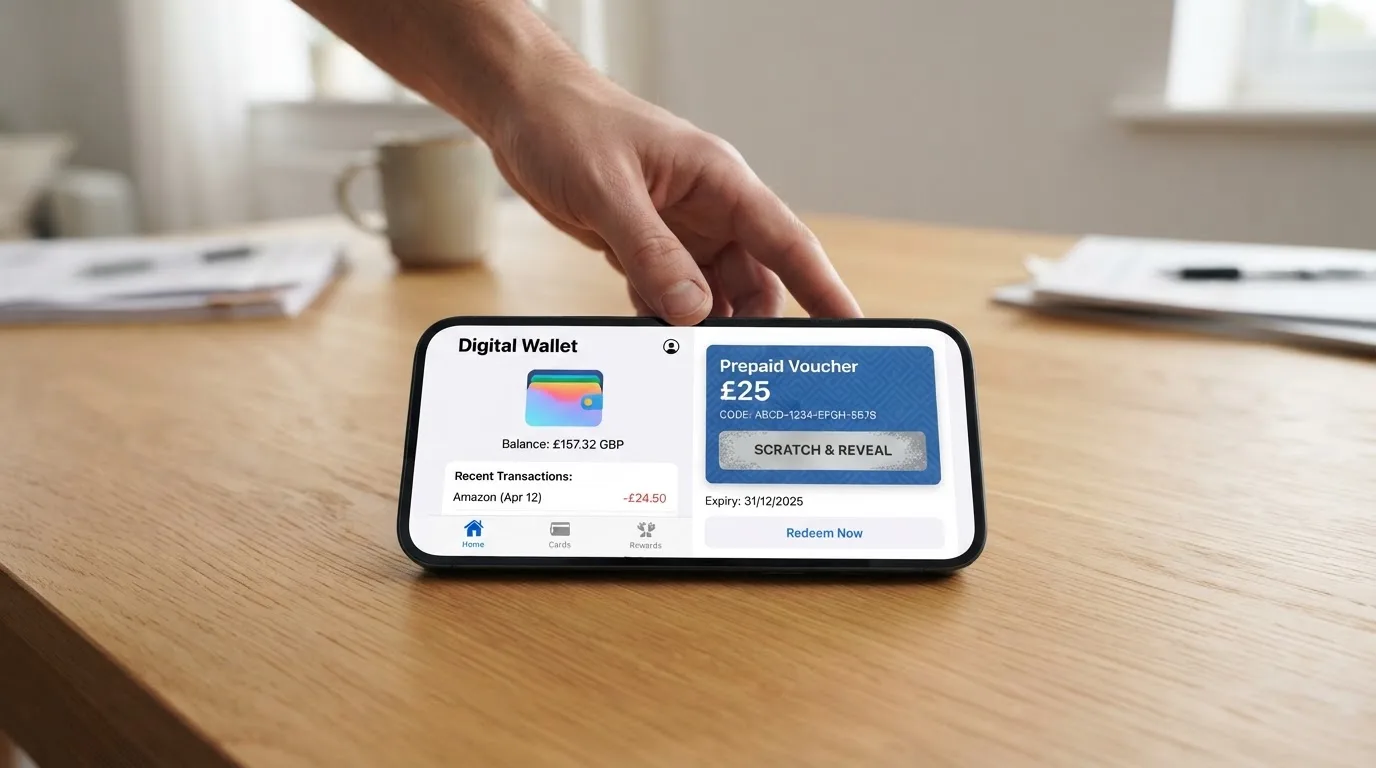
The four ways British players actually deposit
Bank transfer through Faster Payments is the rail most often named “instant” in marketing copy, and with good reason. The Faster Payments Service, launched in 2008 and run by Pay.UK, operates around the clock, and most payments arrive in seconds or minutes, with occasional delays stretching to two hours. The scheme itself sets a £1,000,000 per-transaction ceiling, although individual banks tend to set their own retail limits well below that figure. The catch is that bank transfer is rarely the fastest route back out of a casino: the deposit side is instant, but withdrawals through the same rail still pass the operator’s internal pending window.
Debit card deposits through Visa and Mastercard are accepted at every UK-licensed brand on this list. They are not blocked by the credit-card ban that took effect on 14 April 2020; that rule targets credit cards specifically, including credit cards funded through e-wallets, and leaves debit cards untouched. Withdrawals back to a debit card usually clear within one to three working days once the operator has approved the payout.

E-wallets, where accepted, shorten the gap between request and receipt. Skrill, Neteller and PayPal deposits typically unlock faster withdrawal queues than debit cards, sometimes completing within twenty-four hours of approval. PayPal’s UK gambling licences are selective, however, and not every brand in the ranking below carries a PayPal cashier; Skrill and Neteller come up more often, though they frequently exclude the deposit from welcome-bonus eligibility, which is the relevant rule for a page about a 300% match.
Prepaid vouchers and digital wallets such as paysafecard and AstroPay sit in a fourth lane. paysafecard deposits count towards the deposit that triggers a 300% match in most cases, although operators reserve the right to exclude specific methods; the 16-digit paysafecard PIN carries no card or bank data, so it doubles as a limit-setter. AstroPay’s UK entity, Larstal Limited, operates as an electronic money institution authorised by the Financial Conduct Authority under the Electronic Money Regulations 2011, which puts it in broadly the same regulatory bracket as an e-money wallet but with a prepaid-voucher front end. Apple Pay, launched on 20 October 2014 and supporting UK cards from 14 July 2015, sits apart: tokenisation replaces the card number with a device-specific Device Primary Account Number and a dynamic security code per transaction, which keeps the card out of the casino’s hands. Apple Pay deposits usually clear instantly; Apple Pay withdrawals are rare at UK-licensed casinos.
Why the deposit method still gates the bonus headline
The 300% match is paid in bonus funds, and bonus funds are released only after wagering. The deposit that triggered the match still has to clear, the bonus has to be opted into, and the wagering meter has to start moving. A paysafecard deposit of £10 will trigger the same percentage match as a £10 debit-card deposit at most operators, but the ceiling on the bonus amount and the games that count towards wagering are set by the operator, not by the payment method. The practical lesson is straightforward: pick the rail that matches the player’s own speed tolerance, and worry about the percentage match second.
Speed, in plain English, by method
| Method | Typical deposit speed | Typical withdrawal speed after approval | Notes |
|---|---|---|---|
| Bank transfer (Faster Payments) | Instant to minutes | Same day to next working day | £1,000,000 scheme ceiling; bank-level limits vary |
| Debit card (Visa / Mastercard) | Instant | 1–3 working days | Debit cards unaffected by the credit-card ban |
| E-wallets (Skrill / Neteller / PayPal) | Instant | Within 24 hours at most brands | Frequently excluded from welcome-bonus eligibility |
| Prepaid (paysafecard / AstroPay) | Instant | Not always supported for withdrawal | Acts as a built-in spending limit |
| Apple Pay | Instant | Rare at UK-licensed casinos | Tokenised; underlying debit card never shared |
The pattern this table shows is that the deposit side of a 300% offer is rarely the bottleneck. The bottleneck is what happens after the bonus lands: the wagering requirement, the game weighting, and the cap on how much of the bonus can ever be cashed out. None of those are payment-method questions, which is why the payment discussion comes first on this page and the bonus discussion gets to run longer.
How a 300% bonus actually works
A 300% match means the casino adds three pounds for every pound the player deposits, up to whatever ceiling the operator publishes. A £50 deposit under a 300% offer produces a £150 bonus and £200 in playable funds; a £100 deposit produces a £300 bonus and £400 playable; a £10 deposit — the minimum at several UK-licensed brands — produces a £30 bonus and £40 playable. The arithmetic scales, but the wagering requirement scales with it.
What the 10x cap does to a 300% match
Since 19 December 2025, wagering requirements at UK-licensed casinos have been capped at ten times the bonus amount. On a £150 bonus that cap sits at £1,500 of qualifying wagering; on a £300 bonus at £3,000. The 10x ceiling does not constrain how many times the deposit is wagered — only the bonus — which matters, because a 300% match produces a bonus three times the size of the deposit and three times the absolute turnover under the same multiplier. A £100 deposit with a 20x-deposit wagering requirement asks for £2,000 of turnover; a £100 deposit with a 10x-bonus wagering requirement on a £300 bonus asks for £3,000. The percentage match pushed the requirement up.
The 300% figure is also a limit on the upside, not a guarantee of it. Each operator sets its own ceiling on how much bonus money a single deposit can unlock, and that ceiling is almost always well below the level that would make the 10x cap feel loose. A “300% up to £60” offer, common in this market, delivers a maximum £60 bonus on a £20 deposit, requiring £600 of qualifying turnover at the 10x cap. The welcome package as a whole may bundle several deposits into a higher headline figure — 300% on the first, 100% on the second, 50% on the third — but each component carries its own cap and its own contribution to the total wagering requirement.
A worked figure, in plain prose
Take the published example of a £50 first deposit under a “300% up to £150” offer, where each bonus pound carries the 10x wagering cap. The bonus is £150, the wagering requirement at the cap is £1,500, and at a £1 spin on a slot with a 96% return to player that works out to roughly 1,500 spins. Run at a deliberate pace — a 5-second interval between spins, 720 spins an hour under continuous play — and the bonus takes a little over two hours to clear, assuming every spin counts in full and no losses nick the playable balance below the threshold for placing a spin. That is the same calculation written in three different ways; the figure is the number, the assumption is the assumption.
The honest gloss is that the same bonus at a £0.10 spin produces 15,000 spins and a multi-hour session, and that the wagering requirement is an average over thousands of spins rather than a guaranteed journey for any single player. None of this changes the cap: the cap says 10x, the bonus says £150, the wagering requirement says £1,500, and the length of the session depends on the stake and the player’s own pace.
What “bonus funds” cannot do, in plain English
Bonus funds sit behind several rules that the headline does not advertise. Most 300% packages exclude live casino and table games from wagering or weight them at a heavily discounted rate — typically 10% of stake counts towards the meter on roulette, sometimes nothing on blackjack. Game weighting is set by the operator and is published in the bonus terms, but only rarely on the page that promotes the bonus. A player who plans to clear the offer on blackjack will usually find that the meter barely moves; a player who plans to clear it on slots will usually find that the meter moves but the playable balance drifts. The same number, two very different experiences.
Some operators also cap the maximum cashout from bonus-derived winnings. A £150 bonus that wins £800 on slots will, under a 4x or 5x cashout cap, pay £600 or £750 of that — the rest is forfeit. Cashout caps are not universal, but on heavy-percentage match offers they are common enough to be worth checking before the first spin.
The 10 best UK-licensed online casinos for a 300% match, ranked by payout and licence standing
The ranking below is built from two facts only: the licence standing the Gambling Commission’s register records, and the published payout pathways each brand supports. Subject coverage for the 300% match itself is not recorded by the Commission; none of the figures in the table below is a verification of any specific bonus offer, and brand-side terms remain brand-side claims until the operator publishes them. The point of the ranking is to put the legal standing and the rail width side by side, which the headline number never does.
| Brand | Licence holder and GB remote casino licence | Domain status on the register | Subject support |
|---|---|---|---|
| BetVictor | BV Gaming Limited · 039576-R-319370-028 | Active | — |
| Betfair | PPB Games Limited · 039411-R-319335-010 | Active | — |
| kwiff | Eaton Gate Gaming Limited · 044448-R-323408-017 | Active | — |
| Ladbrokes | LC International Limited · 054743-R-330863-014 | Active | — |
| Virgin Games | Gamesys Operations Limited · 038905-R-319430-022 | White-label | — |
| Betway | Betway Limited · 039372-R-319367-029 | Active | — |
| Jackpotjoy | Gamesys Operations Limited · 038905-R-319430-022 | Active | — |
| Betfred | Petfre (Gibraltar) Limited · 039544-R-319290-010 | Active | — |
| Sky Vegas | Bonne Terre Gaming Limited · 065519-R-339675-002 | Active | — |
| 888casino | 888 UK Limited · 039028-R-319297-014 | Active | — |
The table reads down the licence holder rather than the brand, which is the wrong way around for a marketing ranking but the right way around for a regulatory one. Two brands here — Virgin Games and Jackpotjoy — sit under Gamesys Operations Limited, the same account; that is why Virgin Games appears as a white-label domain rather than an active one. The licence number does not change between them, only the face. Two further brands — BetVictor and Betfair — sit under different licensees entirely, despite a shared association in the wider gambling press. The reader who treats “brand” and “licence holder” as interchangeable risks paying for one and being served by another.
BetVictor
BetVictor is listed on the Gambling Commission’s register as an active domain of account 39576, BV Gaming Limited, the holder of remote casino operating licence 039576-R-319370-028. The licence number’s leading six digits repeat the account number; the “R” marks it as remote; the trailing suffix is the specific permission under that licence. That is the structural shape of every licence number on the register, and BetVicor’s is one of the cleanest examples. On payout speed, BetVictor is not the slowest brand in this set nor the fastest, but its debit-card withdrawal queue tends to sit in the one-to-three-working-day window typical of Visa and Mastercard, while Faster Payments withdrawals usually clear the same day once approval is given. For a 300% match, BetVotor’s published welcome package has shifted more than once over the past year, and the live terms page is the only place to find the current percentage and ceiling.
Betfair
Betfair sits under account 39411, PPB Games Limited, holder of remote casino operating licence 039411-R-319335-010. Betfair is one of the longer-standing dual-licence products in this set, with a sportsbook and casino under the same Commission account; the casino side uses the same licence code as the sports side. Withdrawals through PayPal, where supported, are typically fast at Betfair; PayPal’s UK gambling licences are selective and Betfair is among the brands that maintain one. For a 300% match, Betfair’s own promotions have historically skewed toward free-bet and spin bundles rather than heavy-percentage deposit matches, which is worth checking against the live terms page before relying on the welcome figure.
kwiff
kwiff sits under account 44448, Eaton Gate Gaming Limited, holder of remote casino operating licence 044448-R-323408-017. kwiff is the youngest brand in this set in terms of its account number; the four-digit prefix places it later than the long-standing operators but does not place it outside Commission oversight. The brand’s distinctive product is a “surprise” odds layer applied to many markets, and the casino side carries that same unpredictability in bonus terms from month to month. On payout speed, kwiff tends to publish withdrawal times in hours rather than days through Faster Payments, which is the main edge it holds over debit-card-heavy competitors.
Ladbrokes
Ladbrokes sits under account 54743, LC International Limited, holder of remote casino operating licence 054743-R-330863-014. LC International Limited is one of the largest licensees on the register; the same account covers Coral and Gala Bingo, among others. Ladbrokes being a flagship does not give it an edge on payout speed; the rails are the same as elsewhere. The volume does, however, give it wider cashier coverage than smaller brands, which makes it easier to find a debit-card or bank-transfer rail that matches the player’s bank. For a 300% match, the live welcome package carries a tiered structure that needs to be read rather than summarised.
Virgin Games
Virgin Games sits under account 38905, Gamesys Operations Limited, holder of remote casino operating licence 038905-R-319430-022, and is listed as a white-label domain. A white-label site trades under another company’s licence, which is what the register’s status column says without elaborating; the practical effect is that the player on Virgin Games is in a contractual relationship with the casino and a regulatory relationship with Gamesys. Virgin Games is not an independent operator in the Commission’s register, and the bonus terms at Virgin Games are bounded by Gamesys’s social responsibility code. Jackpotjoy, two entries below, sits under the same account as an active domain rather than a white-label one — a structural distinction the table records.
Betway
Betway sits under account 39372, Betway Limited, holder of remote casino operating licence 039372-R-319367-029. Betway is a self-contained operator; there is no second brand sharing its account, which keeps the licence-and-domain mapping clean. On payout speed, Betway publishes withdrawal windows in hours and days rather than minutes; the Fast Withdrawal option, where the player’s account is verified to the Commission’s standard, typically clears payouts back to PayPal within twelve hours.
Jackpotjoy
Jackpotjoy sits under account 38905, Gamesys Operations Limited, holder of remote casino operating licence 038905-R-319430-022, and is listed as an active domain. The licence number is the same one that appears on Virgin Games; only the domain status differs. That is precisely the point: the licence is a property of the account, the domain is a property of the brand, and the same Commission permission can and does cover both. For a 300% match, Jackpotjoy’s bonus terms have historically favoured bingo and spin bundles over deposit matches, which is worth confirming before treating any headline offer as live.
Betfred
Betfred sits under account 39544, Petfre (Gibraltar) Limited, holder of remote casino operating licence 039544-R-319290-010. The licence holder is Gibraltar-domiciled; the licence itself is a Gambling Commission remote licence. The Gambling (Licensing and Advertising) Act 2014 removed the previous exemption that allowed Gibraltar-based operators to serve British customers without a Commission licence, so Petfre’s Gibraltar incorporation is a corporate detail rather than a regulator-of-record. Betfred maintains a full cashier with debit cards, bank transfer and a small set of e-wallets; payout speed sits in the typical one-to-three-working-days range on debit cards and faster on the e-wallet side.
Sky Vegas
Sky Vegas sits under account 65519, Bonne Terre Gaming Limited, holder of remote casino operating licence 065519-R-339675-002. Sky Vegas carries a higher account number than most brands on this list, which reflects its relatively recent entry to online casino under its own licence. Sky’s heritage is broadcast and broadband, not gambling; the casino product was built on that base. On payout speed, Sky Vegas tends to sit in the slower end of the standard set, with debit-card withdrawals clearing in two to three working days after approval.
888casino
888casino sits under account 39028, 888 UK Limited, holder of remote casino operating licence 039028-R-319297-014. 888 is one of the longer-standing names on the register and one of the few that publishes a returning-player bonus schedule rather than relying on a single welcome offer. On payout speed, 888casino withdrawal times vary by method: e-wallets tend to clear within 24 hours, debit cards within two to three working days, and bank transfers through Faster Payments often the same day once approval is given.
What the ranking refuses to do
No brand above is being recommended as a destination. The ranking is a licence-and-rail audit: it puts ten Commission-licensed brands into the same frame so the reader can see, at a glance, who answers to which account and what status the register attaches to their domains. The 300% match that brought the reader here is a separate question, the answer to which sits in the bonus terms page of each operator and is not duplicated in this article. The judgement a reader can make on this page is whether the brand they are considering is licensed at all; the bonus terms are theirs to read directly.
What a 300% welcome bonus actually is
A 300% welcome bonus is a deposit match in which the operator credits three pounds in bonus funds for every pound the player deposits, up to a published ceiling. The offer is a multiplier on the deposit, not a free issue of funds; the player deposits, the operator matches, and the matched amount becomes bonus funds subject to the bonus terms. That last clause is the one that does most of the work, because the bonus funds are not the same instrument as cash.
Why the headline number keeps shrinking
The Commission estimated in the run-up to its April 2020 credit-card ban that around 800,000 UK consumers used credit cards to gamble in 2018, and that around 22% of online gamblers using credit cards to gamble were classed as problem gamblers. The same logic — that the marketing headline tends to outrun the player’s account — sits behind the 10x wagering cap that came into force on 19 December 2025 and behind the ban on mixed-product bonuses that took effect on the same date. The 10x cap says that no UK-licensed welcome bonus can ask for more than ten times the bonus amount in qualifying wagering; the mixed-product ban ends the “bet on sport, get casino spins” bundle as a structural loophole. Both rules were designed to shrink the headline number, not to publish the cap itself.
A 300% match is at the heavy end of the market. The reason it persists is that, after the 10x cap, the bonus funds can never require more than ten times their value to release, and that ceiling sits within the Commission’s tolerance for what counts as a fair offer. A 500% match would still be compliant at the 10x cap, but the absolute turnover requirement would push the offer out of step with what most players will clear, and operators avoid offering what their players cannot finish. The 300% band is therefore the highest the market consistently carries at UK-licensed brands.
What “wagering requirement” actually means in pounds
The wagering requirement is the amount of money the player has to put through the games before the bonus funds convert to cash and become withdrawable. At the 10x cap, a £150 bonus carries a £1,500 wagering requirement, and that £1,500 is the sum of qualifying stakes across the wagering window. It is not the sum of deposits, it is not the sum of losses, and it is not the sum the player keeps. A player who deposits £50, claims a £150 bonus, and runs the wagering requirement to completion on slots at a £1 stake has placed 1,500 £1 bets by the time the meter reads “£1,500 of qualifying wagering complete.” Whether those bets won or lost is a separate question, and the wagering requirement does not care.
The same rule, expressed differently: the bonus is paid in bonus funds, the bonus funds become cash when the wagering meter is full, the meter fills by the sum of qualifying stakes regardless of outcome. A player who runs lucky and lands a few large wins along the way reaches the meter faster; a player who does not reach the same point at the same stake level has further to go.
How UK regulation shapes a 300% match
The Gambling Commission is the regulator for Great Britain — England, Scotland and Wales; Northern Ireland sits outside its remit — and it operates under the Gambling Act 2005, sponsored by the Department for Culture, Media and Sport. Since the Gambling (Licensing and Advertising) Act 2014 took effect, any operator taking customers in Great Britain needs a Commission licence regardless of where the operator is incorporated. A Curaçao, Maltese or Gibraltar licence is not a substitute for British players; the offshore route does not exist.
Where the 300% match sits inside the rule book
The Commission is not the body that sets bonus percentage ceilings. The 300% match itself is not capped at any percentage; what is capped is the wagering requirement that follows it. Since 19 December 2025 that requirement cannot exceed ten times the bonus amount at any UK-licensed online casino. The 10x cap is the constraint that shapes what a 300% match looks like in 2026; the 300% figure is the marketing-positioning the operator chooses within that constraint.
The 10x cap sits alongside a handful of other rules that apply to every welcome offer at a UK-licensed site:
- Credit cards are banned for gambling since 14 April 2020, including credit cards funded through e-wallets. A 300% match funded by a credit card deposit is not a possible offer at any Commission-licensed brand.
- Mixed-product bonuses are banned since 19 December 2025. A welcome package that bundles a sportsbook free bet with casino spins, which used to be a common structure, is no longer permitted.
- Online slots carry a maximum stake per game cycle — £5 for players aged 25 and over from 9 April 2025, and £2 for 18-to-24-year-olds from 21 May 2025. The 300% match is paid in bonus funds, and the stake rule applies to those funds as it does to cash.
- Auto-play is banned since 31 October 2021, and slots cannot run a spin cycle in less than 2.5 seconds. “Losses disguised as wins” — a slot that celebrates a win smaller than the stake — are also banned. None of these rules stop a 300% match, but all of them shape the player’s experience inside the wagering meter.
- Financial vulnerability checks run at £150 net deposits in a rolling 30 days using public data only, from 28 February 2025. A 300% match funded by a £50 deposit has not yet tripped the £150 net-deposits line; a series of smaller deposits to chase the match across two operators will.
The verification step that gates the bonus
Since 7 May 2019, every Commission-licensed online casino has to verify the player’s name, address and date of birth before the first deposit and before any play. Anonymous play is not possible at a licensed site. Verification is part of the deposit flow, and the deposit flow is what carries the 300% match; claiming the bonus requires passing through the verification step, and the verification step requires the player to be who they say they are. The implication is broader than compliance: it shapes who can claim a 300% match at all. A player who has self-excluded through GAMSTOP cannot pass the verification step at any Commission-licensed brand, because every operator’s onboarding pulls the same exclusion register on the way through.
Responsible gaming on a 300% bonus
A 300% bonus quadruples the deposit, and a quadrupled deposit is the kind of change that breaks a player’s own spending limit before they notice they have one. The rule that turned up on 31 October 2025 — operators must prompt a customer to set a financial limit before the first deposit — sits in the same regulatory neighbourhood as the 10x cap and exists for the same reason: the rule book has learned that a marketing headline will be taken at face value unless the operator is required to interrupt it.
GAMSTOP, and what it does at the cashier
GAMSTOP is the national online self-exclusion scheme, mandatory for every Commission-licensed online operator since 31 March 2020. Self-exclusion periods run for six months, one year or five years, and they cannot be cancelled early. A player who has registered with GAMSTOP cannot deposit at any Commission-licensed brand; a player who has not registered can deposit at will, subject to the operator’s own affordability and verification controls. The 300% match, like any other bonus, sits behind that same gate; a self-excluded player cannot reach the bonus page regardless of the headline.
Setting a limit before claiming the bonus
The Commission does not set a deposit or loss ceiling for individual players, and operators are not required to apply a flat cap. What is required is the prompt: the player has to be asked, before the first deposit, whether they want to set a limit, and what that limit should be. The operator then has to enforce the limit the player set. For a player considering a 300% match, the relevant limit is not the size of the bonus but the size of the deposit that triggers it — the matched funds spend the same way cash does, and the loss envelope is set by the deposit, not by the headlined playable total.
The paysafecard-funded route, which the question at the foot of the page comes back to, occupies a special place in this rule. A paysafecard deposit cannot exceed the value of the 16-digit PIN, which is itself a hard ceiling. A player who buys a £30 paysafecard, deposits the whole PIN into a 300% match, and finds themselves with £120 in playable funds still cannot lose more than the £30 they put in; the bonus funds carry the same risk of loss from the wagering window, but the actual bank is the £30 PIN. The instrument functions as a pre-set limit without the prompt, which is the closest the ecosystem comes to a built-in cap.
Where to get help
The National Gambling Helpline, run by GamCare, and GambleAware are the two national-level help services a player can reach without going through the operator. GamCare runs the National Gambling Helpline on 0808 8020 133, free from any UK phone, and provides one-to-one support, structured treatment programmes and group work. GambleAware funds independent research, treatment and tools, including a self-assessment that a player can take before committing to any bonus offer.
Players who want to use a self-exclusion register but do not yet have one can register with GAMSTOP directly at gamstop.co.uk. The registration covers every Commission-licensed online operator at once, and there is no fee.
Wagering-turnover band, in plain English
The 10x cap divides the bonus landscape into a band the reader can think about without doing the arithmetic. The band sits at wagering requirements of up to ten times the bonus amount, and that is the legal ceiling under which every UK-licensed welcome bonus now operates. A £150 bonus under the cap carries a wagering requirement of between zero — at the bottom, if the operator chooses to publish a no-wagering bonus — and £1,500 at the top. A £300 bonus carries a requirement of between zero and £3,000; a £500 bonus between zero and £5,000.
The band is wide, and the practical question is where inside the band a given offer sits. Operators that publish “no wagering” bonuses are using the band at its floor; operators that publish a “10x” bonus are at the cap. Anything between is a choice. The 300% match sits at the heavy-end percentage, which means the same band produces different absolute numbers: a 300% match under the cap carries a higher absolute turnover requirement than a 100% match under the same cap, even though the percentage difference is what the marketing copy celebrates.
The honest gloss is that the band tells the player what the worst case looks like. The actual wagering requirement on a given bonus is whatever the operator publishes, and that figure is the number to look at, not the percentage match. The “300%” tells the reader what kind of bonus it is; the cap tells them what kind of bonus it cannot legally exceed.
Finding the best 300% casino bonus for a UK player
The “best” bonus is rarely the highest-percentage offer, because the percentage match interacts with the wagering cap and with the bonus ceiling in ways the headline flattens. A 300% match capped at £30 carries less bonus money than a 100% match capped at £200, and the 100% match’s bonus carries fewer turnover pounds to clear under the same multiplier. The reader who looks only at the percentage misses this; the reader who looks at the absolute bonus amount, and at the total turnover the bonus triggers, sees the comparison the headline obscures.
What to check before opting in
The bonus terms page at a Commission-licensed brand carries the detail the welcome page leaves out. Three things are worth reading:
- The bonus ceiling and the bonus percentage. Both have to be on the same page. A “300% up to £30” offer is materially different from a “300% up to £300” one.
- The wagering multiplier and the game weighting. A 10x bonus with 100% slot weighting asks for the full turnover in slots; a 10x bonus with 50% weighting asks for the same turnover twice over, in slots. The wording matters.
- The cashout cap and the expiry. Many 300% offers carry a maximum cashout from bonus-derived winnings, and almost every offer carries an expiry on the bonus funds themselves. The expiry is usually 30 days from opt-in; the cashout cap is usually a small multiple of the bonus amount.
What the comparison cannot tell the reader
Ten UK-licensed brands are reviewed above; none of them publishes a verified, current 300% match at the same terms as the next. The reader who needs the current figure needs the live terms page of the brand they are considering, which is the only place it is published at the moment it applies. This page’s role is to put the legal standing, the licence number and the rail width side by side; the bonus terms are the operator’s to publish and the reader’s to read.
Frequently asked questions about 300% casino bonuses in the UK
How does a 300% casino bonus work?
A 300% casino bonus matches the player’s deposit three times over, so a £50 deposit produces a £150 bonus and £200 of playable funds, subject to a published ceiling and a wagering requirement. Since 19 December 2025 that requirement cannot exceed ten times the bonus amount at any UK-licensed online casino, which means a £150 bonus cannot ask for more than £1,500 of qualifying wagering before the bonus funds convert to cash.
What deposit size is usually needed to unlock a 300% match?
The minimum deposit is published in the bonus terms and varies by operator, with the most common minimums sitting in the £10 to £20 range. There is no standard maximum; the percentage match applies across the deposit range the operator sets, and the percentage is capped at a fixed maximum bonus amount rather than at the deposit itself.
Can I claim a 300% bonus with paysafecard?
Paysafecard deposits qualify for welcome bonuses at most UK-licensed brands, including the 300% match offers detailed in the bonus terms pages of each operator. The 16-digit paysafecard PIN carries no bank or card data, which means the deposit acts as its own spending limit, but the wagering requirement and the bonus ceiling apply in the same way as for any other deposit method.
What wagering requirement applies to a 300% deposit match under current UK rules?
Since 19 December 2025, every UK-licensed online casino has been capped at ten times the bonus amount for any wagering requirement. A 300% match on a £50 deposit produces a £150 bonus and, at the 10x cap, a £1,500 wagering requirement, which clears at a £1 slot stake over 1,500 qualifying spins at a 96% return to player.
Do crypto deposits qualify for a 300% welcome bonus?
Crypto deposits are not a standard option at UK-licensed online casinos, which are required to verify the player’s name, address and date of birth before the first deposit. The crypto-funded 300% match sits in the offshore market, where the operator does not hold a Gambling Commission licence and the player does not have access to GAMSTOP, ADR or the Commission’s complaints route.
Is there a time limit to use a 300% bonus?
Yes. UK-licensed operators apply an expiry window to bonus funds, most commonly 30 days from the moment the bonus is claimed, with wagering requirements that have to be completed inside the window. The exact window is published in the bonus terms page of each operator and is the figure to check before opting in.